Database query failed.
1064: You have an error in your SQL syntax; check the manual that corresponds to your MySQL server version for the right syntax to use near 'BETWEEN start AND end' at line 3
Professional & Certified Translation Services Worldwide

Contact Us | Whatsapp Chat | Request A Quote

Home / Blog News / Apostille And Translation What S The Difference
Translation Services World • Blog

Apostille and Translation – What’s the Difference?

Confused about apostille and translation? This guide explains the difference, when you need each service, and how to get certified translations and apostille for your documents in Pakistan. Make your documents internationally acceptable with ease.

Apostille and Translation – What’s the Difference?

Whether you are preparing documents for immigration, education, employment, or official use abroad, you may have heard the terms “apostille” and “translation” repeatedly. While both processes are essential for global document acceptance, they serve very different purposes.

What Is an Apostille?

An apostille is a certification that verifies the authenticity of public documents for use in countries that are part of the Hague Apostille Convention (1961). It tells foreign authorities that the document is genuine and can be trusted.

Key Features of an Apostille

  • International Validation: It makes a document legally acceptable in all countries that recognize the Hague Convention.
  • Government Issued: Apostilles are issued by designated government authorities.
  • Not a Translation: An apostille does not translate anything — it only certifies authenticity.

Documents That Often Require an Apostille

Common official documents that may require an apostille include:

  • Birth certificates
  • Marriage certificates
  • Degree certificates
  • Police clearance certificates
  • Power of Attorney
  • Commercial agreements
  • Academic transcripts

Each country may have specific requirements on what needs an apostille.

What Is Translation of Official Documents?

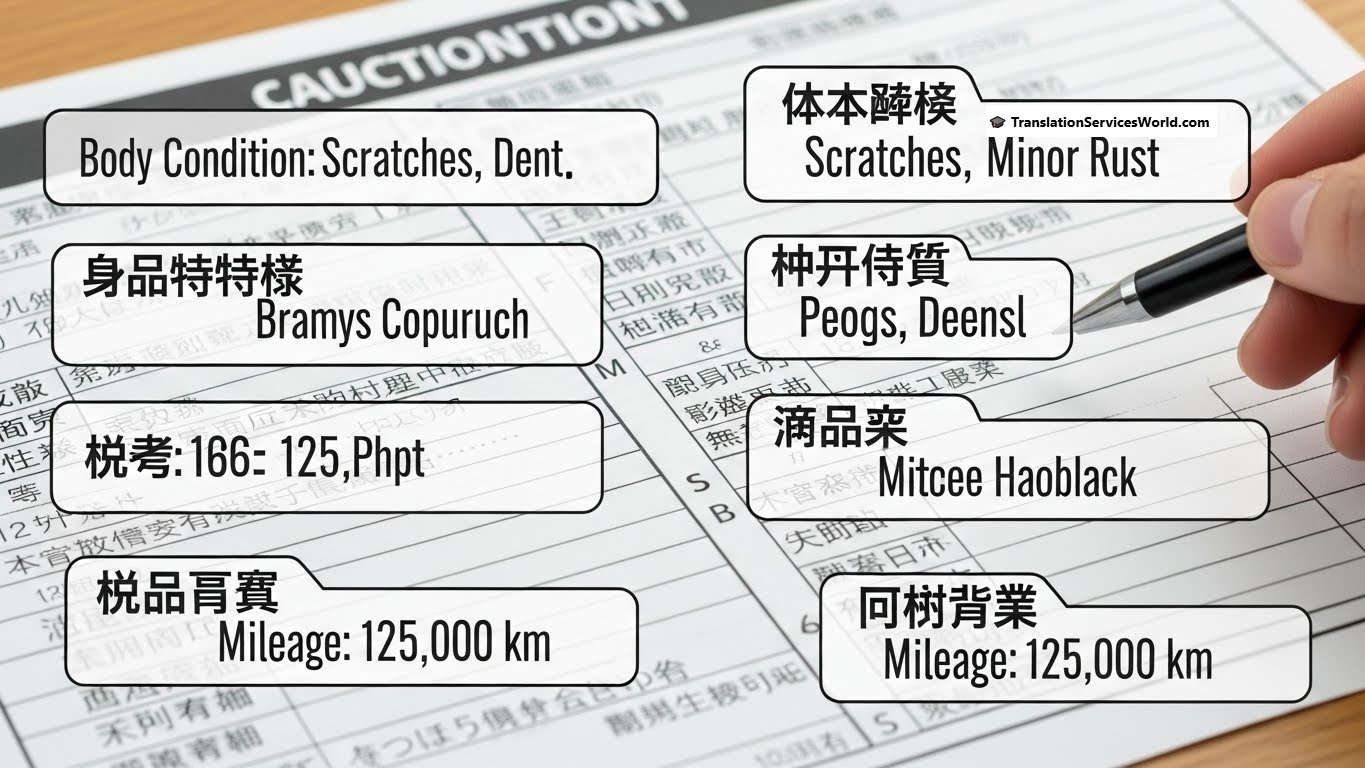
A translation is the linguistic conversion of text from one language into another. When dealing with official documents, translations must be accurate, certified translation, and acceptable to official bodies.

Types of Translations

  1. Basic Translation
    • Converts words from one language to another
    • Used for informal purposes
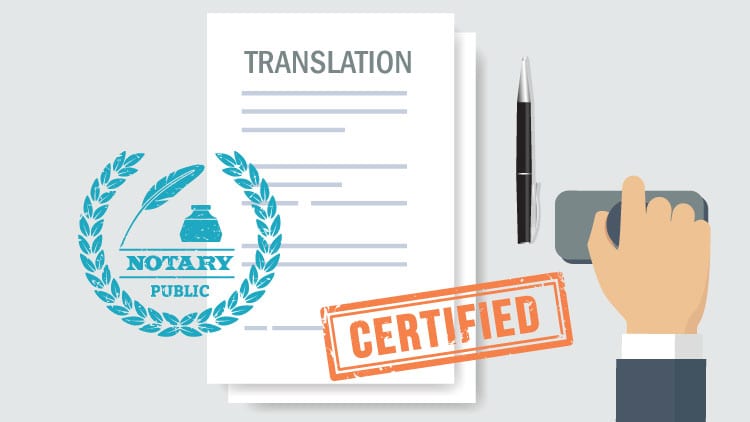
  2. Certified Translation
    • Includes a translator’s declaration of accuracy
    • Required by immigration offices, courts, and academic institutions
  3. Notarized Translation
    • A certified translation that is also notarized by a notary public
    • Adds an extra level of legal legitimacy

Why Document Translation Matters

Even if a document is legally valid, it can be useless in a foreign country unless it is translated into the official language of that country or accepted by the authority.

Apostille vs Translation – Core Differences

Feature

Apostille

Translation

Purpose

Verifies authenticity

Converts meaning into a target language

What It Affects

Legal acceptance abroad

Language comprehension

Who Issues It?

Government authorities

Professional translators

Required For

International legal use

Understanding by foreign authorities

Shows

Original document is valid

Content of document in another language

Main Difference

  • Apostille confirms the legitimacy of a document.
  • Translation explains the contents of that document in another language.

When Do You Need an Apostille?

You typically need an apostille when presenting documents to:

  • Government departments in foreign countries
  • Universities and educational institutions abroad
  • Employers or professional bodies overseas
  • Immigration authorities (e.g., visa applications)
  • Foreign courts or notarization offices

Example Scenarios

  • A Pakistani student applying for admission in the UK may need an apostille on academic certificates.
  • A professional seeking work in the UAE may need an apostille on degree certificates or CV documents.
  • A family applying for immigration to Canada may require apostille for birth and marriage certificates.

When Do You Need a Translation?

Even after getting an apostille, most documents must be translated if they're not in the required language of the receiving country.

Common Situations Requiring Translation

  • Applying for a visa to a non‑English speaking country
  • Submitting academic records for overseas study
  • Registering marriage or birth abroad
  • Presenting documents to foreign employers

Note

Some countries accept English in official matters, while others require translation into their official languages,e.g:

Can You Get Apostille Before Translation? Which Order Is Correct?

This is a very important question — because the answer depends on the requirements of the destination country.

General Rule

  1. Translate first, then
  2. Get apostille on the translated version

This order is preferred because the apostille certifies the document you present. If you first apostille the original language and then translate it, authorities might reject the translation as not directly tied to the certified document.

However

Some countries accept apostilled originals and require translation separately — so the order can vary.

Best Practice

Always confirm with:

  • The embassy or consulate of the destination country
  • The institution receiving the document (e.g., university, employer)

Apostille & Translation Requirements by Countries

  • Different countries have different rules. Below are general requirements for some regions:

USA

  • The USA is not part of the Hague Convention, so documents must be:
    • Attested by the Ministry of Foreign Affairs (MOFA)
    • Legalized by the US Embassy
    • USA Translations may be required

UK, Canada, EU Countries

  • Usually require:
    • Apostille for documents from Pakistan
    • Certified translation into required language (if not English)

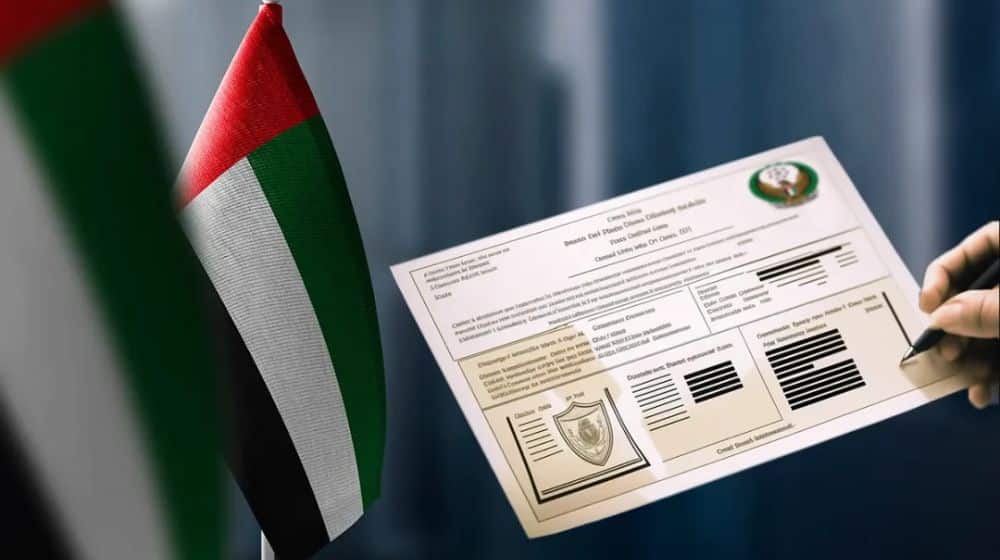
Middle East (UAE, Saudi Arabia)

  • Often require:
    • Apostille
    • Translation into Arabic (sometimes certified by the Ministry of Foreign Affairs – MOFA)

Australia & New Zealand

  • Apostille + translation may be required depending on the visa type

Because rules change often, always verify with official sources.

The Apostille Process in Pakistan – Step by Step

Here’s a simple breakdown of how to get an apostille in Pakistan:

Step 1: Prepare Original Documents

Ensure your documents are complete, clean, and unaltered.

Step 2: Notarization

Have the document notarized if required (especially for affidavits and powers of attorney).

Step 3: Home Department / Relevant Authority

Documents often require verification by the:

  • Home Department (for personal documents)
  • Education Boards and Universities (for academic documents)
  • Chambers of Commerce (for commercial documents)

Step 4: Ministry of Foreign Affairs (MOFA)

You then submit to MOFA for apostille certification.

Step 5: Embassy Requirements (if necessary)

For non‑Hague countries, additional embassy legalization may be required.

How to Get Professional Translation

Certified Translation Services

Professional translation ensures:

  • Accurate meaning transfer
  • Correct formatting
  • Certified translator’s declaration

Translation Formats

Different authorities may demand:

  • Word‑for‑word translation
  • Side‑by‑side original and translated text
  • Translator’s stamp and signature

Where to Get Certified Translation

When Do You Need Both Apostille and Translation Together?

Many official processes mandate both. For example:

Study Abroad

Immigration Applications

  • Government immigration bodies often ask for original documents to be apostilled AND translated

Marriage or Family Visa

  • Civil documents may need both apostille and translation into the language requested by the consulate

Business Contracts

Foreign authorities often insist on:

Common Mistakes to Avoid

Mistake 1: Apostille Without Translation

If the destination country doesn’t read the document language, apostille alone won’t help.

Mistake 2: Translation Without Apostille

For legal acceptance abroad, translation alone may not satisfy authorities.

Mistake 3: Wrong Translation Order

Always ask whether to translate before or after apostille according to country rules.

Mistake 4: Using Uncertified Translators

Uncertified translations are often rejected by authorities.

Mistake 5: Ignoring Format Requirements

Some embassies require specific layout, stamps, or translator declarations.

Tips to Ensure Smooth Processing

  • Confirm requirements with the receiving authority
  • Prepare copies before apostille service
  • Use certified translation services only
  • Double‑check language requirements
  • Verify if notarization is needed
  • Allow time — apostille & translation can take days or weeks

Cost Considerations

The total cost of apostille and translation will depend on:

  • Number of documents
  • Language of translation
  • Urgency (express service)
  • Notarization fees
  • Government fees for apostille

Ask your service provider for a transparent quote before you proceed.

Apostille = Authenticity certification
Translation = Language conversion

They are not interchangeable, but often both are required for international use of official documents.

If you are preparing documents for study, work, migration, business, or legal matters abroad, it’s essential to understand:

  • What your destination country requires
  • Whether documents need apostille
  • In which language they must be translated
  • Whether translation needs certification

Getting expert help can save time, money, and rejection.


Need translation or interpreting help related to this topic?
We provide document translation, certified translations and professional interpreters for legal, medical, business and immigration matters worldwide.