When applying for US immigration, one of the most important documents you will need is your birth certificate. However, if your birth certificate is not in English, it must be translated accurately and professionally to meet United States Citizenship and Immigration Services (USCIS) requirements.
A poorly translated document can lead to delays, rejections, or even denial of your application. That’s why understanding the process of birth certificate translation for US immigration is essential.
This guide covers everything you need to know—from legal requirements and formatting rules to costs and common mistakes—so you can submit your application with confidence.
Why Birth Certificate Translation Is Required for US Immigration
The USCIS requires all documents submitted in foreign languages to be accompanied by a complete English translation. This includes:
- Birth certificates
- Marriage certificates
- Divorce decrees
- Educational documents
- Police clearance certificates
Your birth certificate plays a crucial role in verifying:
- Identity
- Date of birth
- Place of birth
- Parentage
Without a properly translated birth certificate, USCIS officers cannot process your application.
USCIS Requirements for Birth Certificate Translation
To ensure acceptance, your translation must meet strict USCIS Translation guidelines.
- Complete and Accurate Translation
The translation must include:
- Every word from the original document
- Stamps, seals, and signatures
- Handwritten notes (if any)
Nothing should be omitted—even if it seems irrelevant.
- Certification Statement
USCIS requires a certification from the translator confirming:
- They are competent in both languages
- The translation is accurate and complete
Example Certification Statement:
“I certify that I am fluent in English and [source language], and that the above translation is complete and accurate to the best of my knowledge.”
- Translator’s Information
The certification must include:
- Translator’s full name
- Signature
- Date
- Contact information
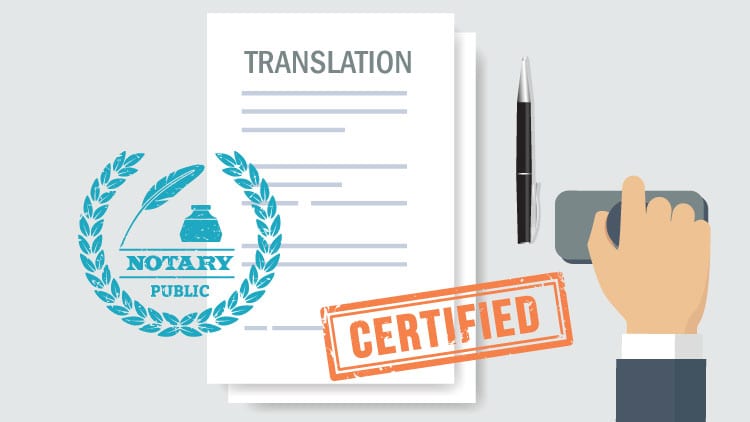
- No Notarization Required (Usually)
Contrary to popular belief, USCIS does not require notarization in most cases. However, some applicants still choose notarized translations for added credibility.
What Happens If Your Translation Is Incorrect?
Submitting an incorrect or incomplete translation can lead to:
- Request for Evidence (RFE)
- Processing delays
- Application rejection
- Additional costs
In some cases, repeated errors may raise concerns about document authenticity.
Who Can Translate a Birth Certificate for USCIS?
This is one of the most common questions applicants ask.
Can You Translate It Yourself?
No. You cannot translate your own documents if you are the applicant.
Can a Family Member Translate It?
Technically yes, but it is not recommended because:
- It may lack credibility
- USCIS may question impartiality
- Errors are more likely
Best Option: Professional Translation Services
Using a professional translation service ensures:
- USCIS compliance
- Accuracy
- Proper formatting
- Faster approval
Professional translators are experienced with immigration documents and understand the specific requirements.
Key Elements of a Proper Birth Certificate Translation
A high-quality translation should include:
- Original Layout Preservation
The translated document should mirror the structure of the original.
- Translation of Seals and Stamps
Even official seals must be translated, for example:
- “Official Seal”
- “Municipal Authority Stamp”
- Names and Spellings
Names must match exactly with:
- Passport
- Visa application
- Other legal documents
- Dates Format
Dates should be converted clearly (e.g., DD/MM/YYYY vs MM/DD/YYYY) to avoid confusion.
Common Mistakes to Avoid
Avoiding these mistakes can save you time and money.
- Partial Translation
Leaving out sections or stamps can lead to rejection.
- Incorrect Name Transliteration
Different spellings across documents can create serious issues.
- Using Unqualified Translators
Inexperienced translators may not understand USCIS requirements.
- Missing Certification Statement
Without certification, your translation will not be accepted.
- Poor Formatting
Unstructured translations look unprofessional and may raise concerns.
Cost of Birth Certificate Translation for US Immigration
The cost can vary depending on several factors:
Average Pricing
- $20 to $50 per page (standard documents)
- $50 to $100 for urgent translations
Factors Affecting Cost
- Language pair
- Complexity of the document
- Urgency (same-day or 24-hour delivery)
- Certification requirements
Is Cheap Translation Worth It?
Low-cost services often compromise on quality. A small mistake can cost far more in delays and reapplication fees.
Turnaround Time
Most professional services offer:
- Standard delivery: 24–48 hours
- Express delivery: Same day (within hours)
Urgent immigration deadlines make fast turnaround essential.
Digital vs Physical Copies
USCIS generally accepts:
- Scanned copies
- Digitally signed translations
However, always check specific application requirements.
Certified vs Notarized Translation
Understanding the difference is important.
Certified Translation
- Required by USCIS
- Includes a signed accuracy statement
Notarized Translation
- Optional
- Adds an extra layer of verification
How to Choose the Right Translation Service
Selecting the right provider is crucial.
Look for:
- USCIS Experience
Choose services familiar with immigration requirements.
- Certification Guarantee
Ensure they provide USCIS-compliant certification.
- Fast Turnaround
Immigration timelines are strict.
- Positive Reviews
Check customer feedback and testimonials.
- Data Security
Your personal documents must be handled securely.
Languages Commonly Required for Translation
Birth certificates often require translation from:
- Urdu
- Arabic
- Spanish
- French
- Chinese
- Russian
Each language has unique challenges, especially with names and official terminology.
Special Cases in Birth Certificate Translation
- Missing Birth Certificates
If unavailable, you may need:
- Affidavits
- Secondary evidence
- Non-availability certificate
- Handwritten Documents
These require expert translators to ensure accuracy.
- Old or Damaged Documents
Professional services can reconstruct and translate unclear text.
Tips to Ensure Your Translation Is Accepted
- Double-check spelling consistency
- Use professional translators
- Ensure certification is included
- Review formatting carefully
- Submit clear, legible copies
Why Professional Translation Matters for Immigration Success
Immigration applications are highly sensitive. Even minor errors can create complications.
Professional translation services:
- Reduce risk of rejection
- Ensure compliance with USCIS rules
- Save time and stress
- Improve approval chances
Frequently Asked Questions (FAQs)
Is notarization required for USCIS?
No, only certified translation is required in most cases.
Can I submit a scanned translation?
Yes, USCIS generally accepts scanned copies.
How long does translation take?
Usually 24–48 hours, or same-day for urgent cases.
What if my birth certificate has multiple languages?
All non-English text must still be translated.
Can I translate my own document?
No, USCIS requires a third-party translator.
Birth certificate translation is not just a formality—it is a critical part of your US immigration process. Ensuring accuracy, completeness, and compliance with USCIS requirements can significantly impact your application outcome.
Choosing a professional, certified translation service is the safest and most reliable way to avoid delays and ensure approval.
If you’re preparing for US immigration, don’t take risks with your documents—invest in high-quality translation to secure your future.