When applying for visas, immigration, international education, or overseas employment, one of the most common requirements is the submission of officially translated documents. Many embassies around the world require certified translations to ensure that foreign-language documents are accurate, legally valid, and acceptable for official processing.
Embassy accepted certified document translation services play a crucial role in helping individuals and businesses submit documents that meet international legal and administrative standards. Without properly certified translations, visa applications, immigration documents, and academic admissions may be delayed or rejected.
This guide explains everything you need to know about embassy accepted certified translation services, including what certified translation means, why embassies require it, which documents typically need translation, and how to choose a professional translation service that meets embassy requirements.
What Are Embassy Accepted Certified Translation Services?
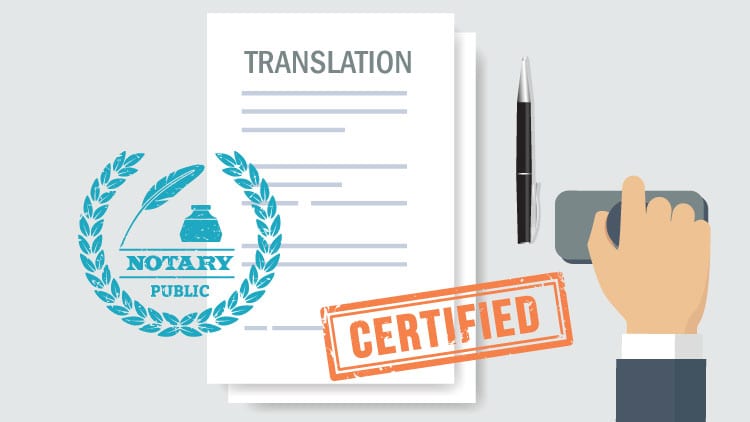
Embassy accepted certified translation services refer to professional translations of official documents that include a signed certification confirming the accuracy and completeness of the translation.
A certified translation usually includes:
- A complete translation of the original document
- A certification statement confirming accuracy
- Translator or translation company details
- Official stamp or seal (if required)
- Signature of the translator or authorized representative
This certification confirms that the translated document accurately reflects the original document and can therefore be used for official or legal purposes.
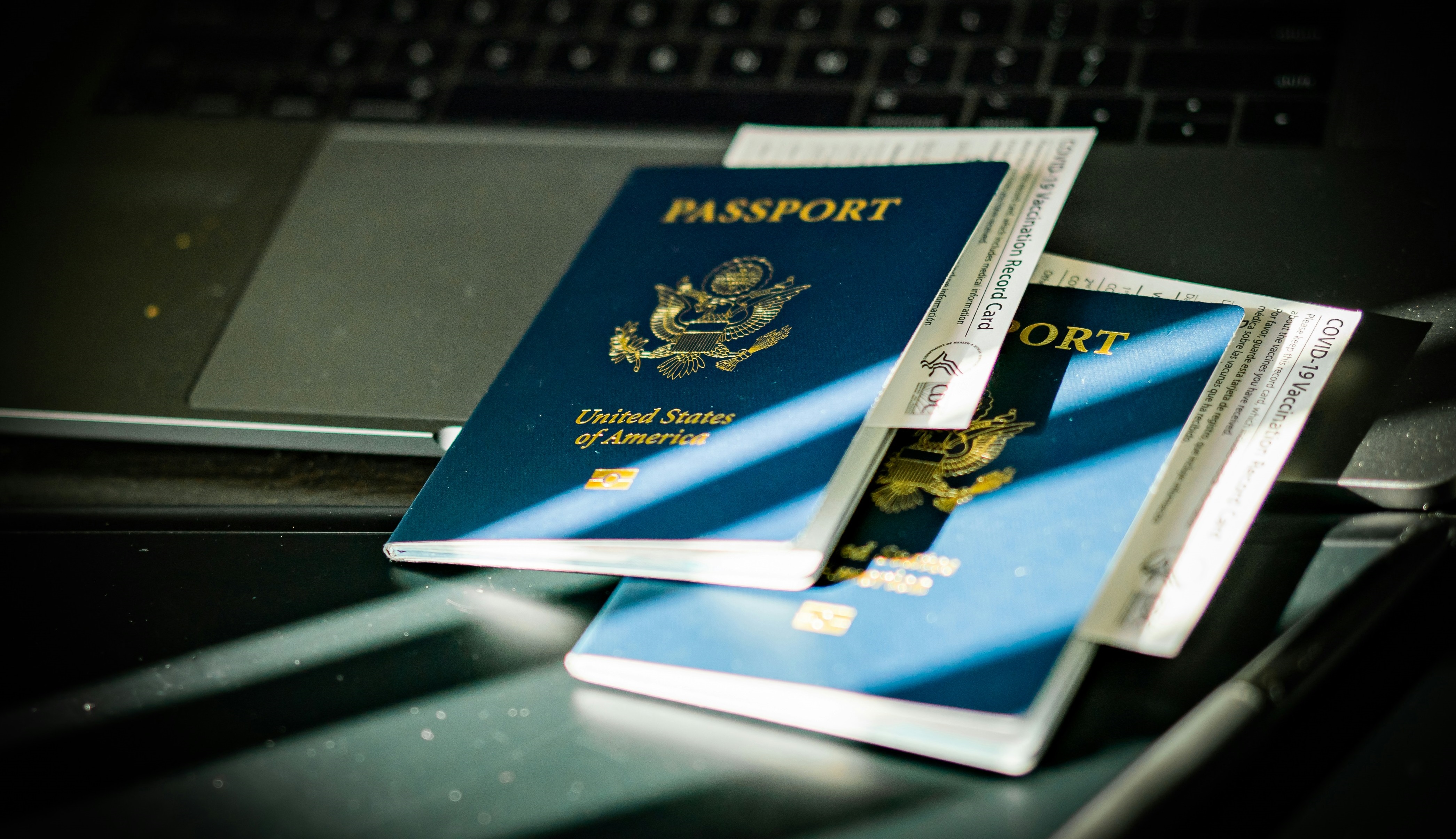
Many embassies and immigration authorities require certified translations to prevent misinterpretation of legal documents, educational credentials, and identity records, including passport translation for visa applications.
Why Embassies Require Certified Translations
Embassies deal with documents from many countries and languages. Without accurate translations, embassy officers would not be able to verify important information.
Certified translations ensure:
- Accuracy of Information
Official translations guarantee that all information from the original document is accurately represented. - Legal Validity
Embassies require certified translations to ensure documents meet international legal standards, which is why legal translation is so important for agreements, affidavits, and court documents. - Fraud Prevention
Certification helps prevent document fraud or manipulation. - Standardized Documentation
Certified translations ensure documents are presented in a format acceptable for official review.
Because of these reasons, embassies typically require translations for documents that are not issued in the official language of the destination country.
Documents That Often Require Embassy Accepted Certified Translation
Many different types of documents require certified translation for embassy submissions.
Personal Documents
Common personal documents include:
- Birth certificates
- Marriage certificates
- Divorce certificates
- Death certificates
- National identity cards
- Passports
These documents help embassies verify identity and family relationships during immigration or visa processing.
Educational Documents
Students applying to universities abroad must usually submit certified translations of their academic records.
Common educational documents include:
- School certificates
- Diplomas
- Degrees
- Academic transcripts
Universities and embassies require certified translations to evaluate educational credentials accurately, especially for study visa documents.
Legal Documents
Certain legal documents also require certified translations for international use.
Examples include:
- Court judgments
- Affidavits
- Police clearance certificates
- Adoption documents
- Legal agreements
These documents are often required for immigration documents, visa applications, or legal procedures abroad.
Business and Corporate Documents
Businesses expanding internationally often require certified translations for embassy or government submissions.
Common corporate documents include:
- Company registration certificates
- Articles of incorporation
- Financial statements
- Power of attorney
- Business contracts
Certified translations ensure that business documentation is accepted by foreign authorities.
Countries and Embassies That Require Certified Translation
Embassy translation requirements vary depending on the destination country, but most immigration systems require certified translations for foreign-language documents.
Common countries requiring certified translations include:
- United States
- United Kingdom
- Canada
- Australia
- Germany
- France
- Italy
- Spain
- United Arab Emirates
- Japan
Each embassy may have specific formatting or certification requirements.
Difference Between Certified Translation and Notarized Translation
Many people confuse certified translations with notarized translations. Although they are related, they serve different purposes.
Certified Translation
A certified translation includes a signed statement from the translator confirming the translation is accurate and complete.
It is commonly accepted by:
- Embassies
- Immigration authorities
- Universities
- Government departments
Notarized Translation
A notarized translation involves a notary public verifying the identity of the translator, not the translation itself.
Notarized translations may be required for:
- Court proceedings
- Legal contracts
- Certain embassy applications
Some embassies require both certified and notarized translations depending on the document type.
Common Languages for Embassy Document Translation
Because international migration involves people from many countries, translation services must support multiple languages.
The most frequently requested embassy translation languages include:
- Arabic
- English
- Spanish
- French
- German
- Italian
- Chinese
- Japanese
- Korean
- Russian
Professional translation companies often provide language translation services in 100+ languages to meet global demand.
Importance of Professional Translation Services
Many people attempt to translate documents themselves or rely on informal translators. However, embassies usually reject such translations.
Professional document translation services are important because they provide:
- Accurate Terminology: Legal and official documents require precise terminology.
- Certified Documentation: Professional translation companies issue certified translation statements.
- Formatting and Layout: Embassy submissions often require translations that match the original document format.
- Confidentiality: Professional translation providers protect sensitive information.
Using a trusted translation service ensures that documents meet embassy standards.
How to Choose Embassy Accepted Certified Translation Services
Choosing the right translation provider is critical when preparing documents for embassy submissions.
Here are key factors to consider:
- Certified and Qualified Translators
Ensure the translation service employs qualified translators with experience in legal and official document translation. - Embassy Compliance
Professional translation providers understand embassy requirements and format translations accordingly. - Experience with Immigration Documents
Choose a translation service that has experience translating immigration documents and visa applications. - Confidentiality and Security
Official documents often contain sensitive personal information, so confidentiality policies are essential. - Fast Turnaround Time
Embassy applications often have strict deadlines. Reliable translation services provide fast and accurate delivery.
Typical Process for Embassy Certified Translation
The process of obtaining certified translation services is usually simple:
Step 1 – Submit Your Document
Clients submit their document through email or online upload.
Step 2 – Translation and Quality Check
Professional translators translate the document and review it for accuracy.
Step 3 – Certification
The translation is accompanied by a certification statement confirming accuracy.
Step 4 – Delivery
Clients receive the translated document in digital or printed format.
Many translation companies also provide notarization and legalization services if required.
How Long Do Certified Translations Take?
The delivery time for certified translations depends on the document length and complexity.
- Simple certificates: 24–48 hours
- Academic transcripts: 2–3 days
- Legal documents: 3–5 days
Urgent translation services may also be available.
Cost of Embassy Accepted Certified Translation
The cost of certified translation varies depending on several factors:
- Language pair
- Document length
- Technical complexity
- Certification requirements
- Delivery speed
Professional translation companies usually charge per word or per page. Choosing a reliable translation service is important because embassy rejections can lead to costly delays.
Common Mistakes to Avoid
- Submitting unofficial translations
- Using machine translation tools
- Missing certification statements
- Incorrect formatting
- Spelling or terminology errors
These mistakes can cause visa delays or document rejection.
Benefits of Using a Professional Certified Translation Service
- Higher Acceptance Rates: Embassies are more likely to accept professionally translated documents.
- Legal Compliance: Certified translations meet international legal standards.
- Accuracy and Reliability: Professional translators ensure accurate terminology.
- Time Efficiency: Fast processing helps avoid visa or immigration delays.
Embassy accepted certified translation services are essential for anyone submitting official documents for visas, immigration, education, or international business.
Certified translations ensure that documents are accurately translated and meet the requirements of embassies and government authorities worldwide. From personal certificates and academic transcripts to legal translation and corporate documents, certified translations play a crucial role in international communication and documentation.
Choosing a reliable translation provider ensures that your documents are professionally translated, properly certified, and accepted by embassies without delays.
Whether you are applying for a visa, studying abroad, relocating for work, or expanding your business internationally, professional certified translation services can help ensure that your documents meet all official requirements, including study visa documents, passport translation, and immigration documents.