When a patient seeks medical treatment abroad, one of the most critical requirements is the accurate and certified translation of medical reports. These documents are not just paperwork—they are the foundation of diagnosis, treatment planning, insurance approval, and hospital admission in another country. Even a small translation error can lead to misdiagnosis, treatment delays, or serious medical risks.
This article explains everything about medical report translation for international treatment, including its importance, process, requirements, challenges, and how to ensure accuracy and acceptance worldwide.
What Is Medical Report Translation?
Medical report translation is the process of converting a patient’s medical documents from one language into another while maintaining clinical accuracy, terminology precision, and legal validity.
These reports typically include:
- Diagnosis reports
- Laboratory test results
- Radiology reports (X-ray, MRI, CT scans)
- Discharge summaries
- Surgical reports
- Prescription histories
- Doctor’s notes and referrals
For international treatment, these documents must often be translated into English or the destination country’s official language and certified for official use.
Why Medical Report Translation Is Essential for International Treatment
When patients travel abroad for healthcare, doctors in the destination country rely completely on translated records to understand the patient’s condition.
Key reasons it is required:
- Accurate diagnosis and treatment planning
Foreign doctors cannot proceed safely without understanding previous medical history, allergies, and treatments. - Hospital admission requirements
Many international hospitals require translated medical reports before accepting a patient. - Insurance approval and claims
Insurance companies demand translated documents for reimbursement or pre-authorization. - Second medical opinions
Specialists abroad need complete and accurate records to provide reliable opinions. - Visa and immigration medical cases
Medical travel visas often require certified translations of reports.
According to healthcare translation providers, even minor errors in translating dosage, diagnosis, or clinical notes can lead to serious consequences in treatment decisions .
What Is Certified Medical Report Translation?
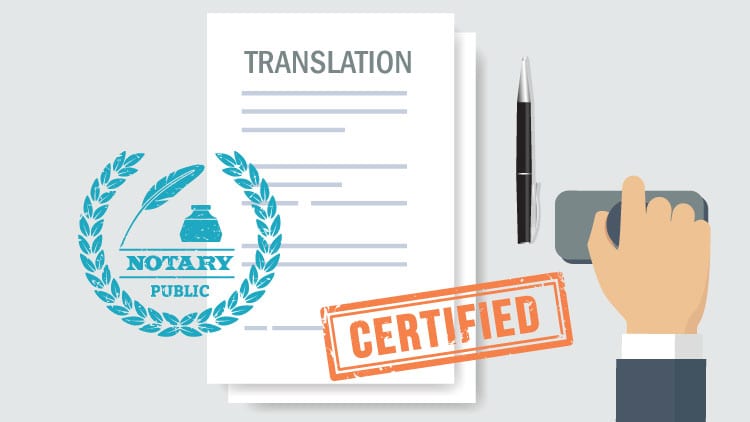
A certified translation means the translated document includes an official statement confirming:
- The translation is complete and accurate
- The translator is qualified
- The document is suitable for official use
Certified translations are often required by:
- International hospitals
- Immigration authorities
- Insurance companies
- Legal institutions
In most cases, translations must be done by professional medical translators or sworn translators to ensure acceptance abroad.
When Do You Need Medical Report Translation for International Treatment?
You typically need medical report translation in the following situations:
- Treatment abroad (medical tourism)
Patients traveling to countries like Germany, UAE, UK, USA, or Turkey must submit translated medical records.
- Emergency overseas treatment
If a patient is hospitalized abroad, prior records must be translated quickly.
- Chronic disease management
Conditions like cancer, kidney disease, or heart disease require continuous international care.
- Organ transplant or specialized surgery
Foreign surgeons need full medical history in their language.
- International second opinion
Patients seek expert consultation from global specialists.
Types of Medical Documents Required for Translation
For international treatment, hospitals usually request a complete medical file including:
- Patient history reports
- Diagnostic imaging reports
- Blood and laboratory test results
- Prescription records
- Surgery and procedure reports
- Physician summaries
- Vaccination records (in some cases)
These documents ensure continuity of care between healthcare systems.
Medical Report Translation Process (Step-by-Step)
Professional translation agencies follow a structured process:
Step 1: Document submission
Patients upload or submit scanned medical reports securely.
Step 2: Initial assessment
Experts review the documents for complexity, medical field, and language pair.
Step 3: Translation by medical specialist
A trained medical translator translates the document using correct clinical terminology.
Step 4: Quality assurance
Another linguist or medical reviewer checks for accuracy and consistency.
Step 5: Certification
A signed certificate of accuracy is attached (if required).
Step 6: Delivery
Final translated documents are delivered digitally or in hard copy.
Why Accuracy Is Extremely Important in Medical Translation
Medical translation is not general translation—it is life-critical communication.
A small error can lead to:
- Incorrect medication dosage
- Misinterpretation of diagnosis
- Delayed treatment
- Insurance rejection
- Legal complications
For example, mistranslating a lab value or allergy can completely change treatment decisions, putting patient safety at risk.
Challenges in Medical Report Translation
Medical report translation is complex due to several factors:
- Complex terminology
Medical language includes Latin terms, abbreviations, and specialized jargon.
- Different healthcare systems
Medical reporting formats vary across countries.
- Handwritten reports
Doctors’ handwritten notes are often difficult to interpret.
- Confidentiality concerns
Medical data is highly sensitive and must be securely handled.
- Regulatory requirements
Different countries require different certification standards.
Who Performs Medical Report Translation?
High-quality medical translations are handled by:
- Certified medical translators
- Sworn translators (court-authorized in some countries)
- Linguists with healthcare background
- Translation agencies specializing in medical content
Many professional services also use ISO-certified workflows and strict confidentiality systems to ensure compliance and security .
How to Choose a Reliable Medical Translation Service
When selecting a service for international treatment, consider the following:
✔ Medical expertise
Translators should have healthcare or medical background.
✔ Certification availability
Ensure certified translation is provided if required.
✔ Confidentiality standards
Look for HIPAA, GDPR, or ISO-compliant systems.
✔ Fast turnaround time
Medical cases often require urgent translation.
✔ Multi-language support
Especially for Arabic, German, French, Chinese, and English.
Cost of Medical Report Translation
The cost depends on:
- Language pair (rare languages cost more)
- Document length
- Medical complexity
- Urgency (express service costs more)
- Certification requirements
On average, professional services charge per word or per page, with certified translations costing more due to legal validation.
Importance in Global Healthcare and Medical Tourism
With increasing medical travel, especially from countries like Pakistan, India, and the Middle East to Europe and North America, medical report translation has become a critical part of international healthcare coordination.
It ensures:
- Continuity of care across countries
- Faster diagnosis and treatment
- Reduced medical errors
- Smooth insurance processing
- Better patient outcomes
Medical report translation for international treatment is not just a language service—it is a medical necessity. It ensures that doctors anywhere in the world fully understand a patient’s condition and can provide safe, effective treatment.
Whether you are traveling for surgery, a second opinion, or long-term treatment abroad, always ensure your medical documents are translated by qualified professionals with certification and medical expertise.